
Returnable Packaging Blog
When Is It Time to Redesign Your Returnable Packaging?
Returnable packaging is built to last. But that doesn't mean the same packaging design will always be the best solution for your operation.
Manufacturing processes change. Production volumes increase. Parts evolve. Facilities are reconfigured. New automation and material-handling processes are introduced.
When those changes happen, your packaging may need to change with them.
The question is: How do you know when it's time to redesign your returnable packaging?
When Your Packaging No Longer Fits the Process
A returnable container can still be functional while creating inefficiencies elsewhere in your operation.
Watch for signs such as:
-
Operators spending too much time loading or unloading parts
-
Components shifting or becoming damaged during transportation
-
Excessive space inside containers
-
Packaging taking up too much storage or truck space
-
Difficult or awkward part retrieval
-
Dunnage that wears out or needs frequent replacement
-
Employees creating workarounds to make the packaging easier to use
These issues may seem minor individually, but repeated across hundreds or thousands of packaging cycles, they can become costly.
Your Parts and Processes Change
Packaging designed several years ago may have been ideal when it was introduced. But if your product, production volume, or material flow has changed, the original design may no longer be optimized for today's operation.
A packaging redesign can address changes in:
-
Part dimensions or weight
-
Production volume
-
Line-side handling
-
Transportation requirements
-
Storage constraints
-
Automation
-
Operator ergonomics
The goal isn't simply to create a new container. It's to create a returnable packaging solution that fits the way your operation works today.
Don't Overlook the Dunnage
Sometimes the container isn't the problem. The opportunity is inside it.
Custom dunnage determines how parts are positioned, separated, protected, loaded, and removed. Depending on the application, materials such as foam, corrugated plastic, laminates, or other engineered solutions can create a more effective package.
A redesigned insert may help improve part protection, increase pack density, simplify handling, and make parts easier for operators to access.
That is why returnable packaging design should consider the entire system—not just the box.
Look at the Total Cost
Purchase price is only one part of the equation.
When evaluating your packaging, consider:
-
How much labor is required to use it?
-
How efficiently does it utilize truck and warehouse space?
-
How often are parts damaged?
-
How long does the dunnage last?
-
How many trips can the packaging make?
-
Does it make the operator's job easier or harder?
A well-engineered returnable packaging system should provide value throughout its lifecycle—not simply at the time of purchase.
Start With the Problem
A successful packaging redesign starts with understanding the application.
What is being shipped? How is it handled? Where does it go? Who interacts with the packaging? What problems are occurring today?
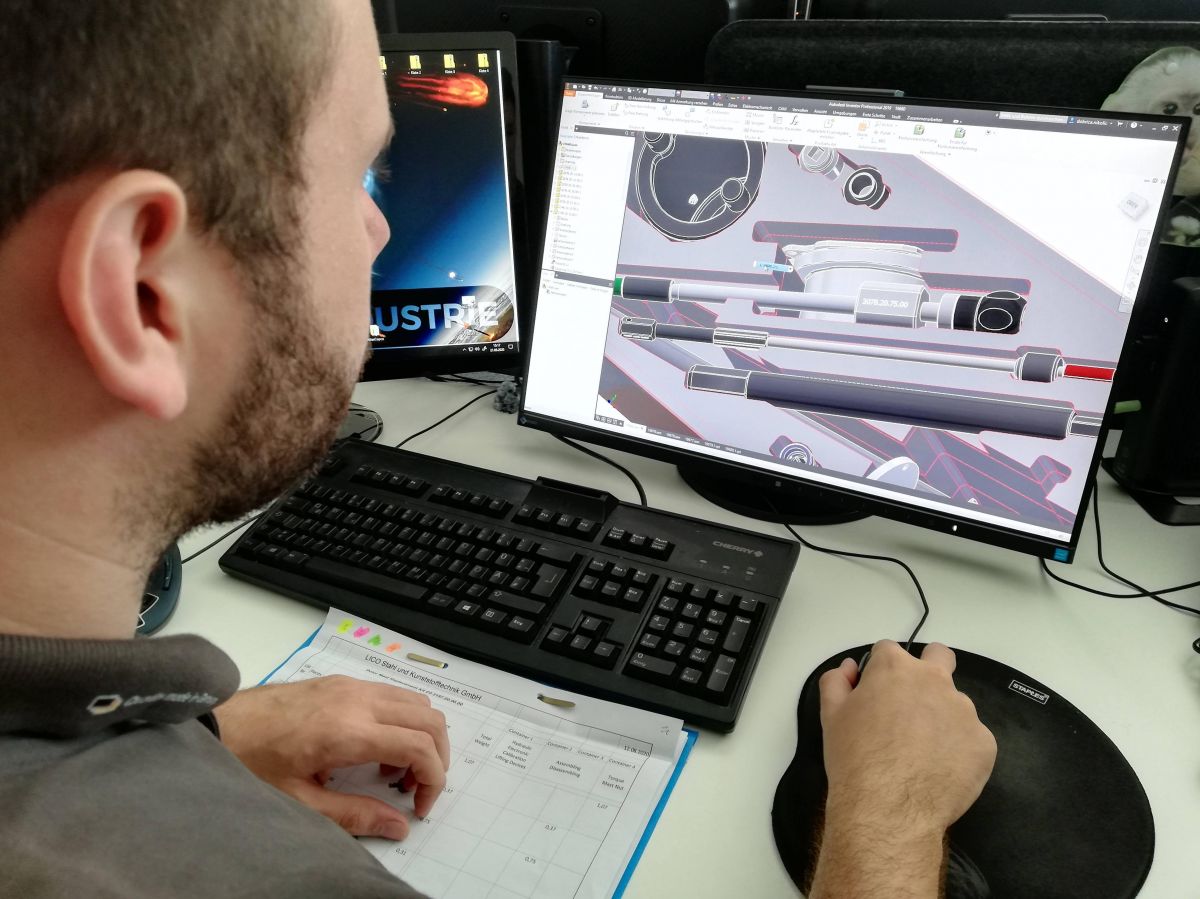
At Amatech, our engineering team works with manufacturers to answer those questions and develop custom returnable packaging around the part, process, and environment. Our design capabilities include 3D modeling, CAD, and functional prototypes to help evaluate a solution before moving into production.
Is Your Packaging Still the Right Solution?
If your packaging has been in service for years, it may be worth taking a fresh look.
The container may still work, but that doesn't necessarily mean it's as efficient as it could be.
Amatech can help you evaluate your current packaging and develop a custom returnable packaging solution designed around your operation.
Explore Amatech's Design & Engineering Services